



Disclaimer
This post may contain affiliate links. I will make a small commission if you make a purchase through one of these links, at no extra cost to you. See full disclosure and disclaimer policy HERE.
Luxury has changed dramatically over the past decade. Gone are the days when status was measured by oversized logos and flashy displays of wealth. Today’s luxury consumer is looking for something far more meaningful: privacy, quality, craftsmanship, and personal experience. Perhaps nowhere is this shift more evident than in the growing market for premium intimate products.
From beautifully designed lingerie to elegant wellness accessories and thoughtfully packaged personal care products, high-end intimate brands have transformed an industry that was once dominated by cheap materials, clinical aesthetics, and social stigma. Instead of hiding these products away, consumers are embracing brands that celebrate sophistication, wellness, and self-care.
But what exactly is driving this trend? And why are luxury intimate brands attracting customers willing to invest significantly more than ever before? Let’s explore.
The Evolution of Luxury
Luxury isn’t simply about spending more money.
Today’s consumers want products that tell a story. They value exceptional craftsmanship, ethical production, sustainable materials, and timeless design over flashy branding. In many ways, luxury has become less about impressing others and more about investing in yourself.
This mindset naturally extends into intimate products.
Whether it’s premium silk sleepwear, handcrafted lingerie, organic body care, or beautifully designed wellness accessories, buyers increasingly expect the same level of quality they demand from luxury fashion or skincare.
Think of it like choosing handmade leather shoes instead of mass-produced sneakers. Both serve a purpose, but one offers a richer experience built around comfort, quality, and longevity.
Why Discretion Has Become the Ultimate Luxury
Ironically, the most luxurious brands today often say the least.
Minimalist packaging, subtle branding, and private shopping experiences have become defining features of premium intimate companies.
Consumers appreciate discretion because intimate purchases are deeply personal. They don’t necessarily want bold logos or attention-grabbing packaging arriving at their doorstep.
Instead, they prefer:
- Neutral shipping boxes
- Elegant, understated branding
- Secure online shopping
- Premium customer service
- Private consultations
- Personalized recommendations
For many customers, privacy itself has become part of the luxury experience.

Quality Over Quantity
One of the biggest differences between luxury and mainstream intimate brands is the emphasis on materials.
Rather than focusing on mass production, premium companies invest in superior craftsmanship and carefully selected fabrics.
Common luxury materials include:
- Silk
- Organic cotton
- Fine lace
- Bamboo fibres
- Italian satin
- Medical-grade silicone for wellness products
- Natural botanical ingredients in personal care
These materials aren’t just visually appealing—they’re often more durable, comfortable, and skin-friendly.
It’s the difference between buying something disposable and purchasing something designed to last.
Design That Feels Like Art
Luxury brands understand that aesthetics matter.
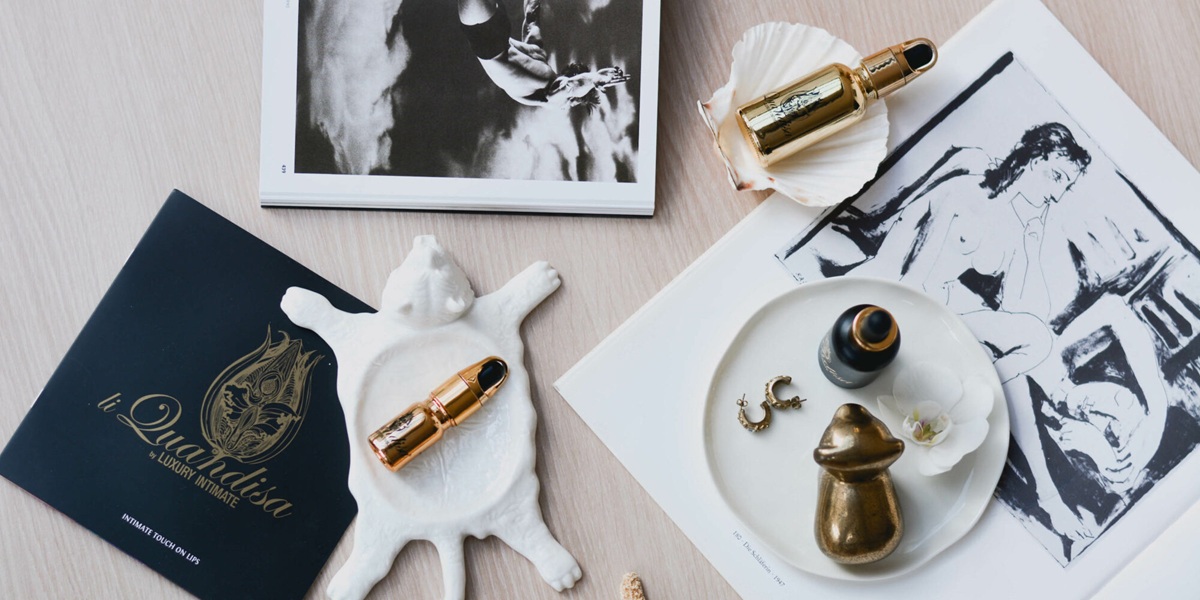
Instead of products that look overly clinical or cheaply manufactured, premium intimate companies collaborate with industrial designers, artists, and fashion experts to create objects that are elegant enough to display rather than hide.
Many products now resemble high-end home décor or designer accessories more than traditional personal care items.
This design-first philosophy helps normalise intimate wellness by removing unnecessary stigma.
RELATED:
A Beginner’s Guide to Sexual Wellness Products
The Influence of Wellness Culture
Modern consumers increasingly view intimate wellness as part of their overall health.
Self-care no longer ends with skincare routines or meditation. It now includes every aspect of personal well-being, encouraging people to invest in products that enhance comfort, confidence, and everyday rituals.
Luxury brands have embraced this broader wellness movement by focusing on:
- Body-safe materials
- Sustainable ingredients
- Inclusive product design
- Educational content
- Mental well-being
- Holistic self-care
Rather than relying on shock value, these companies position themselves alongside premium beauty and wellness brands.
Sustainability Is No Longer Optional
Today’s luxury shoppers expect more than beautiful products.
They also want brands that reflect their values.
High-end intimate companies increasingly prioritise:
Ethically sourced materials
Consumers appreciate transparency about where fabrics, ingredients, and packaging originate.
Eco-friendly packaging
Minimal plastic, recyclable materials, and reusable storage solutions have become major selling points.
Responsible manufacturing
Many premium brands work with smaller workshops or certified factories that ensure fair wages and ethical labour practices.
Luxury today isn’t just about owning something beautiful—it’s about feeling good about the purchase itself.
Technology Is Elevating the Customer Experience
Online shopping has become the primary way people discover intimate brands.
Luxury companies have invested heavily in creating digital experiences that feel as premium as visiting a boutique.
Features often include:
- Personalised product recommendations
- Virtual fittings
- AI-assisted customer support
- Educational buying guides
- Confidential customer accounts
- Fast, discreet shipping
These services remove much of the uncertainty that once surrounded intimate shopping.
The Power of Brand Storytelling
Consumers don’t simply buy products anymore—they buy into stories.
Successful luxury intimate brands often emphasise:
- Founder inspiration
- Artisan craftsmanship
- Sustainable practices
- Female entrepreneurship
- Inclusive design
- Wellness education
This storytelling builds trust and emotional connection, transforming a simple purchase into a lifestyle choice.
Social Media Has Changed the Conversation
Years ago, intimate products were rarely discussed publicly.

Today, carefully curated social media content has helped normalise conversations around body confidence, wellness, and personal care.
Luxury brands typically avoid sensational marketing.
Instead, they focus on:
- Beautiful photography
- Educational content
- Lifestyle inspiration
- Wellness tips
- Customer testimonials
- Behind-the-scenes craftsmanship
This softer, more sophisticated approach resonates with audiences seeking authenticity rather than attention-grabbing advertising.
Inclusivity Is Redefining Premium Markets
Luxury no longer caters to a single ideal customer.
Modern brands increasingly design products for diverse body types, ages, gender identities, and lifestyles.
This inclusive approach creates stronger customer loyalty because people feel represented rather than excluded.
After all, true luxury should make everyone feel welcome.
What Consumers Really Want
Research consistently shows that today’s premium shoppers prioritise:
- Exceptional quality
- Privacy
- Comfort
- Sustainability
- Elegant design
- Trustworthy brands
- Educational resources
- Outstanding customer service
Price still matters—but value matters more.
Consumers are increasingly willing to pay extra when they believe a product offers lasting quality and a superior experience.
The Future of High-End Intimate Brands
The luxury intimate market shows no signs of slowing down.
As consumers continue embracing wellness, sustainability, and intentional purchasing, premium brands are likely to become even more refined.
Future trends may include greater personalisation, AI-powered shopping experiences, biodegradable materials, smart textiles, and even stronger commitments to ethical manufacturing.
The brands that succeed won’t necessarily be the loudest—they’ll be the ones that offer exceptional quality, respect customer privacy, and create products that seamlessly fit into a modern lifestyle.
Note to Self
The rise of discreet luxury reflects a broader shift in consumer values. Today’s buyers are moving beyond flashy branding in favour of quality, craftsmanship, privacy, and thoughtful design. High-end intimate brands have responded by transforming an often-overlooked category into one centered on wellness, elegance, and self-expression.
As expectations continue to evolve, the companies that prioritise authenticity, sustainability, and exceptional customer experiences will remain at the forefront of this growing market.
FAQs