


Disclaimer
This post may contain affiliate links. I will make a small commission if you make a purchase through one of these links, at no extra cost to you. See full disclosure and disclaimer policy HERE.
How Technology Changed the Way We Want
Desire used to have to wait.
You noticed someone across a crowded room. You wondered whether they noticed you too. Perhaps you exchanged glances, perhaps a telephone number, perhaps nothing at all. You went home carrying uncertainty with you. There was no profile to investigate, no green dot revealing they were awake at 1:37 a.m., no collection of photographs conveniently documenting the previous five years of their life.
You simply wondered.
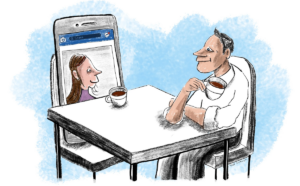
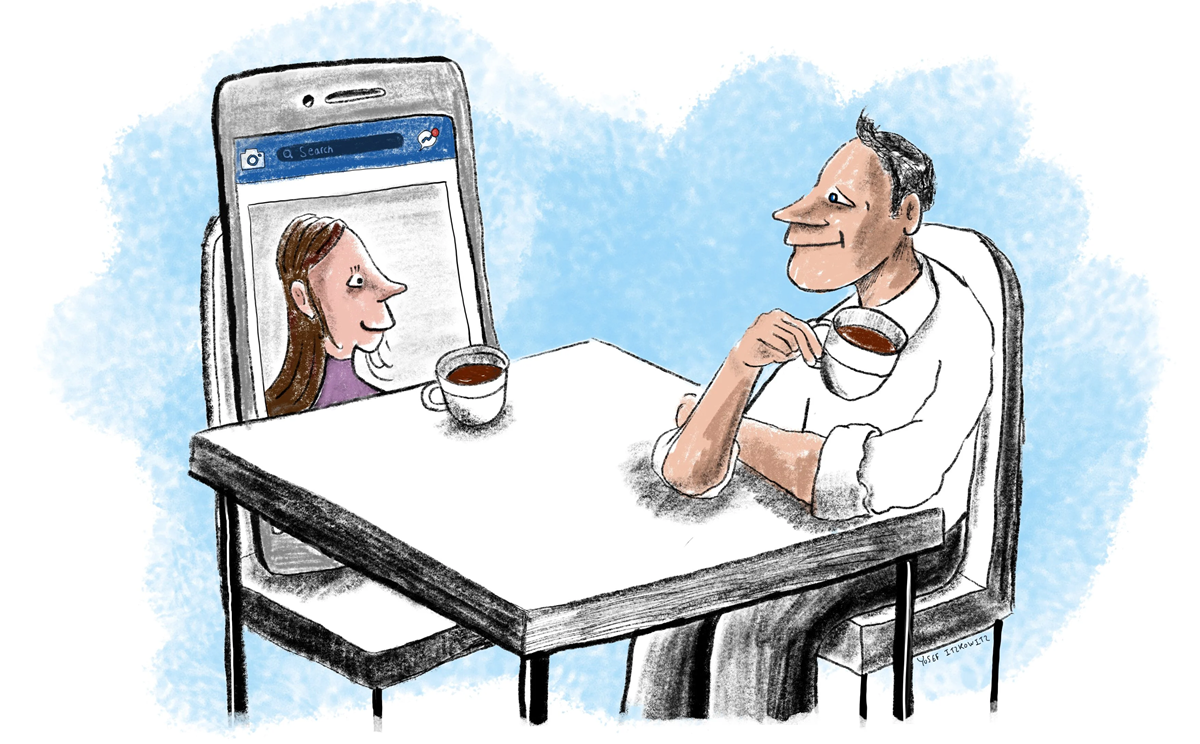
Today, desire rarely gets that much silence. It lives among notifications, dating apps, disappearing messages, carefully selected photographs, read receipts, algorithms, video calls, private stories, and the tiny glowing screen we carry almost everywhere. We can meet someone without entering the same room, flirt without speaking aloud, maintain attraction across continents, and discover more potential romantic partners during one evening on the sofa than our grandparents might have encountered in several years.
Technology hasn’t eliminated desire. Far from it. It has accelerated it, expanded it, quantified it, and—perhaps most interestingly—changed the conditions under which it grows.
So, what exactly happened to desire when romance went digital?
From Scarcity to an Endless Catalogue of Possibility
For most of human history, romantic possibility was geographically limited.
People met through family, friends, work, religious communities, universities, neighbourhoods, parties, cafés, bars, and chance encounters. Your dating pool consisted largely of people who happened to exist within the physical radius of your everyday life.
The internet blew the walls off that room.
Dating platforms suddenly allowed people to encounter potential partners they might never have met otherwise. Geography still matters, of course, but it no longer dictates possibility in quite the same way.
That sounds liberating—and it is.
But abundance creates its own peculiar problems.
When potential partners appear as an apparently endless sequence of profiles, people can begin approaching romance with a consumer mentality. Someone seems attractive, but perhaps the next person will be even more attractive. Someone is funny, but maybe another match will share more interests. Someone seems almost perfect… but why settle for almost when another swipe takes half a second?
Desire once flourished partly because possibilities were limited.
Now we are learning what happens when possibility feels infinite.
The Swipe Changed More Than Dating
The swipe may be one of the simplest gestures in modern technology, yet psychologically, it represents something enormous.
Attraction can now become a split-second decision.
Yes. No.
Interesting. Not interesting.
Hot. Not hot.
Next.
Human beings have always made rapid judgments about attractiveness. Digital dating didn’t invent superficiality. What it did was build an entire system around those immediate judgments.
A profile picture becomes the entrance ticket. A biography becomes advertising copy. Interests become searchable characteristics. Height, location, lifestyle, education, political preferences, relationship intentions, and sometimes even astrological signs become filters.
We aren’t simply meeting people anymore.
We’re sorting them.
The strange consequence is that dating technology simultaneously makes attraction more efficient and more complicated. We can identify compatible people faster than ever, yet we may also dismiss potentially fascinating connections before attraction has had time to develop.
And attraction is not always instant.
Sometimes desire needs conversation, proximity, humour, scent, gestures, voice, awkwardness, eye contact, and time.
There is no filter for chemistry.
Flirting Has Become a Digital Language
Once upon a time, flirting required presence.
Now it can happen almost entirely through punctuation.
Consider how much meaning can hide inside a message containing three words and one carefully chosen emoji. The difference between “Good night.” and “Good night 😏” can feel enormous.
We have developed an elaborate digital vocabulary of attraction.
There are likes that aren’t really just likes. Story reactions designed to open conversations. Memes sent because saying “I’m thinking about you” feels too vulnerable. Photographs posted partly because one particular person might see them. Messages typed, deleted, rewritten, and finally sent with an air of manufactured casualness.

Then comes the timing.
Should you reply immediately?
Wait twenty minutes?
Leave them on read?
Pretend you didn’t notice the message despite having been holding your phone when it arrived?
Digital communication has transformed romantic interaction into something halfway between conversation and strategy.
Sometimes that makes flirting wonderfully playful.
Sometimes it makes everyone slightly neurotic.
Anticipation Hasn’t Disappeared—It Has Changed Form
Technology is often accused of destroying anticipation because everything is available instantly.
But desire has always been remarkably adaptable.
We haven’t eliminated anticipation. We’ve invented new versions of it.
The three dots indicating someone is typing.
The message notification from the person you’ve been thinking about.
The pause after sending something slightly daring.
The moment after posting a photograph and wondering whether they have seen it.
The “seen” notification without an immediate reply.
These tiny digital events can produce surprisingly intense emotional reactions because uncertainty remains one of desire’s favourite ingredients.
We may have changed the stage, but the drama is remarkably familiar.
The love letter became the text message.
Waiting beside the telephone became checking notifications.
Wondering whether someone would appear at the dance became wondering whether they would watch your story.
Human longing simply updated its software.
Social Media Turned Attraction Into Performance
Desire has always involved presentation. People dressed carefully for dates long before Instagram existed.
But social media has made self-presentation continuous.
Our digital identities function almost like miniature exhibitions of ourselves. We choose photographs, locations, music, jokes, opinions, achievements, outfits, meals, holidays, books, workouts, pets, and fragments of everyday life.
We aren’t necessarily lying.
We’re curating.
And everyone else is doing it too.
That means modern attraction frequently begins with a carefully edited version of another person. Before meeting them, you might already know where they travelled last summer, what music they enjoy, what their friends look like, what restaurants they visit, and approximately how often they go to the gym.
Mystery hasn’t vanished, but it has become harder to preserve.
And mystery matters because desire often lives in the gap between what we know and what we imagine.
The Rise of the Digital Crush
Perhaps one of the strangest developments of modern desire is how emotionally significant someone can become before much has actually happened.
You might exchange messages every evening for weeks. Share jokes. Send voice notes. Discuss childhood memories. Flirt shamelessly. Learn their routines.
Yet you may have spent very little time together physically—or never met at all.
The emotional connection can still feel real because, psychologically, communication creates intimacy.
But digital intimacy leaves enormous spaces for imagination.
When information is missing, our minds fill the gaps.
We don’t just become attracted to the person. Sometimes we become attracted to the version of them constructed from messages, photographs, assumptions, hopes, and fantasies.
Then reality arrives.
Sometimes it is even better. Sometimes it isn’t.

POWER, CONTROL, AND ATTRACTION: A CULTURAL PERSPECTIVE

THE AESTHETICS OF EROTICISM IN ART AND LITERATURE
WHY SOCIETY BOTH OBSESSES OVER AND SUPPRESSES SEX
Long-Distance Desire Has Become Easier to Sustain
Not every technological change has complicated romance.
Some have genuinely expanded it.
A century ago, maintaining an intimate relationship across countries could involve letters taking weeks to arrive. Today, couples separated by thousands of kilometres can exchange messages throughout the day, hear each other’s voices instantly, watch films together online, and video call before bed.
Distance still hurts.
But technology gives intimacy somewhere to live while two people are apart.
This has also changed who we consider romantically possible.
Someone living in another city—or another country—no longer automatically belongs to the category of “impossible.”
The world of desire has become geographically larger.
Online Dating Has Made Desire More Specific
Modern technology doesn’t simply give us more people to choose from. It allows us to search for increasingly specific forms of compatibility.
There are communities and dating platforms built around lifestyles, interests, identities, relationship preferences, hobbies, professions, religions, and countless subcultures.
That can be profoundly freeing.
People who once struggled to meet compatible partners within their immediate environment can now find communities where their preferences feel ordinary rather than unusual.
Desire has always been diverse.
The internet simply made that diversity visible.
Algorithms Are Quietly Entering Our Love Lives
Here is where things become particularly fascinating.
We like to imagine attraction as spontaneous and uncontrollable. Cupid fires an arrow. Chemistry happens. Two people simply “click.”
Yet increasingly, algorithms decide who gets placed in front of us.
Dating apps determine which profiles appear. Social platforms recommend accounts. Search systems shape discovery. Recommendation engines decide which content enters our feeds.
In other words, technology doesn’t tell us whom to desire—but it increasingly influences whom we have the opportunity to notice.
That distinction matters.
You cannot desire someone you never encounter.
The romantic matchmaker of the digital age isn’t necessarily a meddling aunt or enthusiastic friend.
Sometimes it’s code.
The Paradox of Connection and Loneliness
We have never had more ways to contact one another.
Yet modern dating can feel remarkably lonely.
Why?
Because access is not the same thing as intimacy.
You can have hundreds of matches and nobody to call when you’re upset. Thousands of followers and nobody who truly knows you. Several flirtations happening simultaneously and still feel emotionally untouched.
Digital interaction can provide stimulation without necessarily providing connection.
Notifications offer tiny sparks of validation. Matches reassure us that we’re desirable. Likes provide brief bursts of attention.
But intimacy asks for something more difficult: vulnerability.
Eventually, someone has to stop performing.
Someone has to say what they actually want.
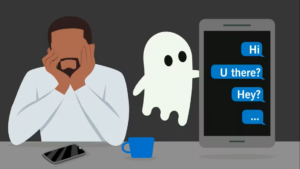
Ghosting Became the Dark Side of Digital Abundance
Romantic rejection has always existed.
Technology simply made disappearing easier.
When connections exist primarily through screens, ending them can require little more than silence. Messages go unanswered. Replies become slower. Someone gradually fades from your digital landscape.
Ghosting feels particularly strange because technology keeps the absent person visible.
They may stop speaking to you while continuing to post stories.
They disappear—but don’t actually disappear.
That creates a uniquely modern form of ambiguity.
In earlier eras, absence often meant physical absence. Today someone can be simultaneously absent from your life and present on your screen every morning.
No wonder our brains find it confusing.
Desire Is Becoming More Visual
Photography has always influenced attraction, but smartphones turned almost everyone into both photographer and subject.
We photograph ourselves constantly.
We also consume an astonishing number of images of other people.
This has inevitably shaped beauty standards and expectations. Filters, editing tools, carefully controlled lighting, strategic angles, and curated feeds can create a strange visual perfection that ordinary human bodies were never designed to maintain.
Real attraction, however, remains stubbornly three-dimensional.
A photograph cannot capture someone’s voice.
It cannot reproduce their smell.
It cannot show the way their expression changes when they’re trying not to laugh.
It cannot communicate the strange electricity of prolonged eye contact.
The digital world may introduce desire.
The physical world often decides whether it survives.
Artificial Intelligence Is Opening Another Chapter
The evolution isn’t finished.
Artificial intelligence is already entering dating and relationships. People use AI to improve dating profiles, suggest conversation starters, interpret messages, and think through relationship dilemmas.
That raises fascinating questions.
If technology helps you write the perfect opening message, who exactly is flirting?
If an algorithm learns which faces you consistently find attractive, could it understand your “type” better than you do?
Could excessive technological assistance make romantic communication smoother while simultaneously making it less spontaneous?
There aren’t simple answers yet.
We’re conducting the experiment in real time.
Has Technology Made Desire Less Romantic?
It’s tempting to romanticise the past.
People imagine handwritten letters, accidental meetings, telephone calls, dances, and dramatic railway-platform goodbyes.
Beautiful.
But previous generations also experienced unrequited love, terrible communication, infidelity, rejection, loneliness, and disastrous blind dates.
Technology didn’t ruin romance.
Humans were perfectly capable of making a mess of it already.
What technology did was amplify our possibilities.
We can connect faster, search further, communicate constantly, and encounter more potential partners than ever before.
But those advantages come with psychological costs: comparison, distraction, overstimulation, endless choice, and the temptation to treat people as replaceable.
The technology itself isn’t romantic or unromantic.
What matters is how we use it.
Perhaps Desire Still Needs a Little Mystery
For all our technological sophistication, the basic architecture of attraction hasn’t changed as dramatically as we might think.
We still want to be noticed.
We still wonder whether someone is thinking about us.
We still replay conversations.
We still experience that ridiculous little surge of excitement when a particular person’s name appears on our phone.
And perhaps that tells us something important.
Desire doesn’t necessarily thrive on complete access.
It thrives on movement between closeness and distance, knowledge and mystery, certainty and possibility.
Technology offers unprecedented access to other people.
But sometimes desire needs an unanswered question.
Note to Self
The evolution of desire in the digital age isn’t a story about technology replacing romance. It’s a story about human longing adapting to a new environment.
Dating apps expanded our romantic horizons. Social media transformed attraction into something increasingly visible and performative. Messaging created new languages of flirting. Algorithms influence who enters our field of attention. Artificial intelligence is beginning to participate in conversations once considered entirely personal.
Yet beneath all those technological layers sits something surprisingly ancient.
We want connection.
We want attention from the person whose attention matters.
We want to feel chosen rather than merely available.
And despite having instant communication in our pockets, we still haven’t invented an app capable of guaranteeing chemistry.
Maybe that’s fortunate.
Because if desire could be completely predicted, filtered, optimised, and delivered on demand, it might stop being desire altogether.
Some things still need a little uncertainty.
FAQs