


Disclaimer
This post may contain affiliate links. I will make a small commission if you make a purchase through one of these links, at no extra cost to you. See full disclosure and disclaimer policy HERE.
Swiping Through a Minefield
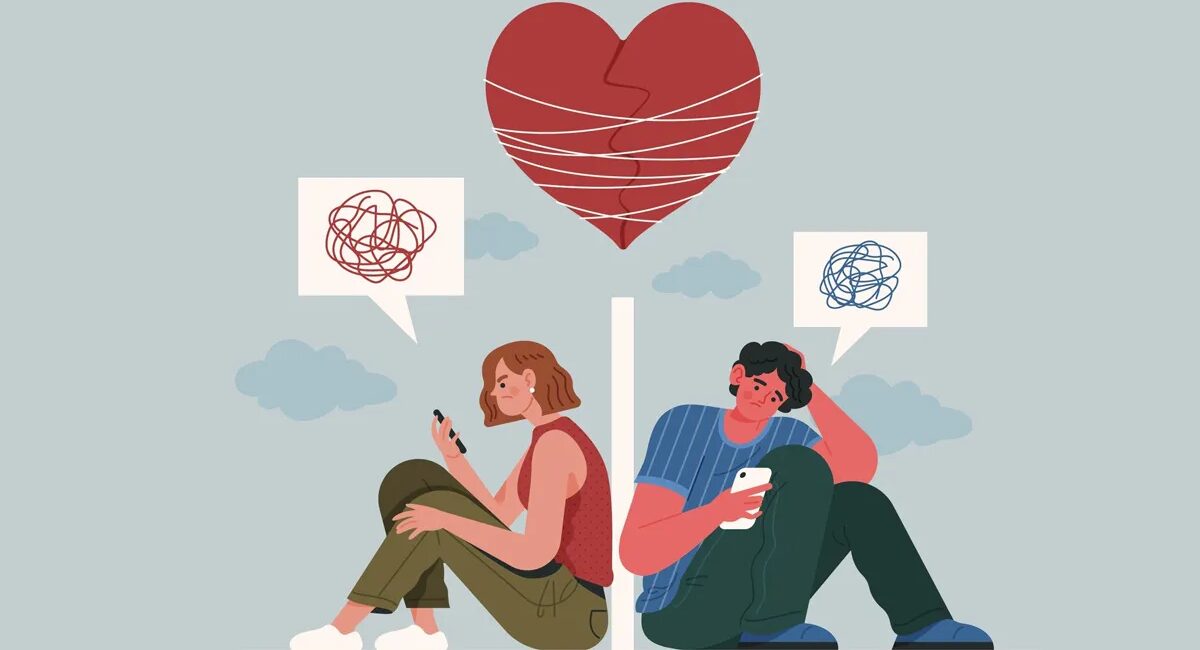
Modern dating, at first glance, looks like a buffet—endless options, curated profiles, and the seductive promise that “the one” might just be one swipe away. Yet, paradoxically, it often feels less like a feast and more like emotional fasting. You show up hopeful, leave drained, and somehow end up questioning your sanity somewhere between a “Hey :)” and a ghosted conversation.
Why is that?
Why does something that should, in theory, connect us more easily leave us feeling disconnected, depleted, and occasionally cynical? Let’s unpack the psychology, culture, and quiet emotional labor behind the exhaustion.
The Illusion of Infinite Choice
Too Many Options, Too Little Satisfaction
Imagine walking into a supermarket with 300 types of cereal. Sounds great, right? Until you spend 20 minutes comparing labels and walk out unsure you made the right choice. That’s modern dating in a nutshell.
Dating apps create an illusion of abundance. With platforms like Tinder, Hinge, and Bumble, potential partners are presented as an endless stream. But instead of empowering us, this abundance often leads to:
- Decision fatigue
- Reduced satisfaction with choices
- Constant comparison (“Is there someone better one swipe away?”)
Psychologists call this the paradox of choice. More options don’t make us happier—they make us more anxious and less committed. When everyone is replaceable, no one feels truly chosen.
The Commodification of People
Profiles Over Personalities
Let’s be honest: modern dating often reduces human beings to bullet points.
- Height
- Job title
- A handful of photos
- A witty bio (or a painfully unfunny one)
We’ve turned connection into a marketplace. You’re not just meeting people—you’re evaluating them like products. And guess what? They’re doing the same to you.
This transactional mindset leads to:
- Superficial judgments
- Unrealistic expectations
- A constant need to “perform”
It’s exhausting to feel like you’re always on display, curating yourself for approval. You’re not just dating—you’re branding.
Emotional Unavailability Is the New Normal
Guarded Hearts, Casual Connections
Modern dating culture often celebrates detachment. “Don’t catch feelings,” they say. “Play it cool.” But at what cost?
Many people enter the dating pool carrying unresolved baggage—past heartbreaks, trust issues, or fear of vulnerability. Instead of healing, they adopt avoidance strategies:
- Ghosting instead of communicating
- Situationships instead of relationships
- Mixed signals instead of clarity
It creates a landscape where emotional availability is rare—and deeply valued. When someone does show consistency and openness, it feels almost revolutionary.
The Rise of Ghosting and Breadcrumbing
Disappearing Acts and Emotional Whiplash
One day you’re exchanging paragraphs. The next? Silence.
Ghosting has become one of the most frustrating aspects of modern dating. It’s not just rejection—it’s ambiguous rejection. There’s no closure, no explanation, just a digital vanishing act.
Then there’s breadcrumbing—small, inconsistent messages that keep you interested without any real intention of commitment.
Both behaviours create emotional instability:
- You overanalyse texts
- You question your worth
- You replay conversations like a broken record
It’s not just tiring—it’s mentally consuming.
The Pressure to Be Effortlessly Perfect
Curated Lives, Unreal Expectations
Scroll through social media and you’ll see couples traveling, laughing, and living what looks like a cinematic love story. Now compare that to your dating life.
Feels underwhelming, doesn’t it?
Modern dating exists alongside a culture of curated perfection. We’re constantly exposed to idealised relationships, which raises our expectations to unrealistic levels.
You’re expected to be:
- Attractive but natural
- Confident but not arrogant
- Interesting but not overwhelming
It’s a delicate balancing act—and frankly, a ridiculous one.
Texting Culture: The Slow Burn of Miscommunication
Reading Between the (Invisible) Lines
Texting is convenient, but it’s also a breeding ground for misinterpretation.
A simple “Okay” can spark a full-blown existential crisis. Was it passive-aggressive? Disinterested? Just… okay?
Without tone, facial expressions, or context, communication becomes a guessing game. And guess what? Humans are terrible guessers when emotions are involved.
Add to that:
- Delayed replies
- Overthinking response times
- Strategic texting (“Should I wait 10 minutes or 2 hours?”)
Suddenly, a simple conversation feels like a chess match.
Hookup Culture vs. Emotional Needs
Casual Isn’t Always Carefree
Hookup culture promises freedom—no strings attached, no emotional complications. But humans aren’t wired like that.
Even in casual arrangements, emotions sneak in. Attachment forms. Expectations develop. And when those expectations aren’t met, disappointment follows.
The disconnect between what people say they want (casual, easy, fun) and what they actually need (connection, validation, intimacy) creates internal conflict.
It’s like trying to quench thirst with saltwater—it only leaves you more dehydrated.
Burnout: Yes, Dating Can Do That
When Hope Turns Into Exhaustion
After a series of failed connections, ghosted conversations, and disappointing dates, something shifts. You become tired—not just physically, but emotionally.
Dating burnout looks like:
- Lack of motivation to meet new people
- Cynicism (“They’re all the same”)
- Emotional detachment
You start approaching dating with less enthusiasm and more skepticism. And while this protects you from disappointment, it also blocks genuine connection.
The Fear of Vulnerability
The Cost of Being Seen
At its core, dating requires vulnerability. You’re opening yourself up to rejection, judgment, and emotional risk.
In a world that often rewards emotional detachment, vulnerability feels dangerous. So, people build walls.
But here’s the irony: those walls that protect you also isolate you.
True connection demands:
- Honesty
- Openness
- Emotional risk
And let’s be real—that’s terrifying. But without it, dating becomes a shallow exchange rather than a meaningful experience.
So… Is There a Way Out?
Rewriting the Dating Narrative
If modern dating feels exhausting, it’s not because you’re “doing it wrong.” It’s because the system itself is flawed.
But you’re not powerless. You can shift how you engage with it:
- Prioritise quality over quantity: Fewer matches, deeper connections
- Set clear boundaries: Know what you want and communicate it
- Take breaks: Dating isn’t a full-time job
- Stay authentic: The right person won’t require a performance
Think of dating less as a race and more as a process. Not every interaction needs to lead somewhere. Sometimes, it’s just data—information that helps you understand what you want (and what you definitely don’t).
Note to Self: It’s Not Just Me—It’s the System
Modern dating feels emotionally exhausting because it is. It’s a complex interplay of technology, psychology, and cultural shifts that have transformed how we connect—and not always for the better.
But here’s the comforting truth: your exhaustion is not a flaw. It’s a response. A signal that something deeper is missing.
And maybe, just maybe, the answer isn’t to swipe harder—but to slow down, be intentional, and remember that behind every profile is a human being… just as tired, confused, and hopeful as you.
FAQs