


Disclaimer
This post may contain affiliate links. I will make a small commission if you make a purchase through one of these links, at no extra cost to you. See full disclosure and disclaimer policy HERE.
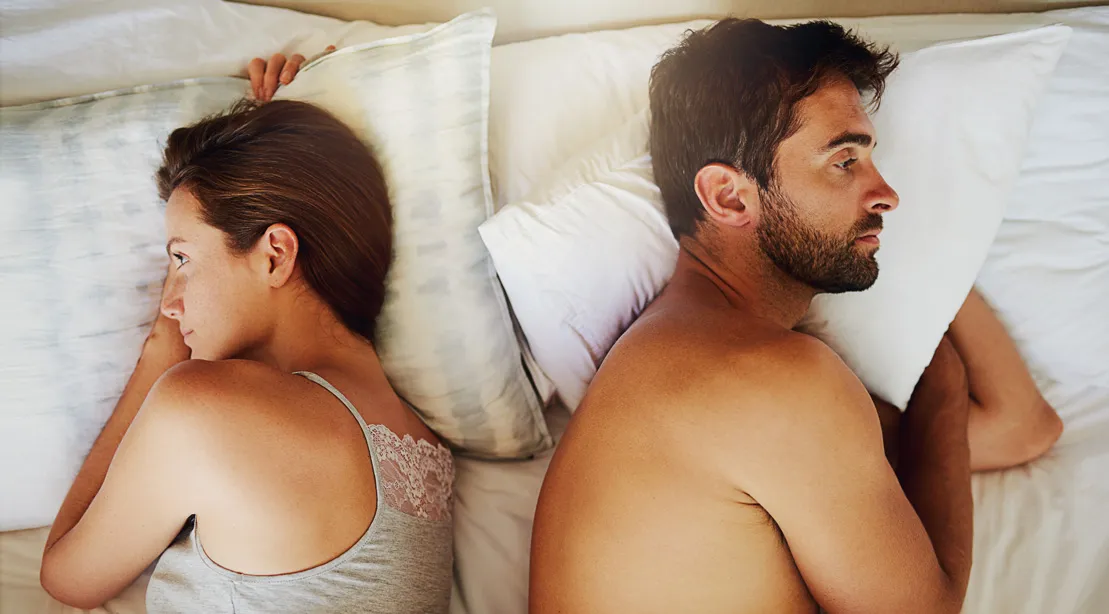
Sexual desire can feel mysterious. One week, you can’t keep your hands off someone. The next, the idea of sex feels about as exciting as reorganising a kitchen cupboard. And sometimes, nothing obvious has changed.
You’re still attracted to your partner. Your relationship hasn’t suddenly collapsed. You haven’t consciously decided that sex is no longer important. Yet something feels… quieter.
Before assuming the problem lies in your relationship, your hormones, or your attraction, it may be worth looking at three surprisingly powerful influences on your sex life: stress, diet, and sleep.
Sexuality doesn’t exist separately from the rest of the body. Your brain, nervous system, hormones, circulation, energy levels, emotions, and general physical well-being all participate in sexual response. When you’re exhausted, stressed, underfed, uncomfortable, or mentally overloaded, your body knows.
And sometimes, libido is simply the messenger.
Sexual Desire Is More Physical Than We Like to Admit
We often talk about libido as though it were a personality trait.
Some people are supposedly “high libido.” Others are “low libido.” But sexual desire can fluctuate considerably throughout life—and even throughout the same week.
Think about your sexuality less like an on/off switch and more like a dimmer.
Attraction matters, certainly. So do relationship dynamics, hormones, medications, health conditions, age, psychological well-being, and personal circumstances. But everyday habits can also turn that dimmer up or down.
That’s why someone can be wildly attracted to their partner and still struggle to feel sexual.
Your body may simply have other priorities.
How Stress Affects Your Sex Life
Stress is probably one of the greatest enemies of spontaneous desire.
Imagine you’ve spent the entire day dealing with deadlines, traffic, financial worries, difficult people, unanswered emails, household responsibilities, and a phone that apparently believes silence is illegal.
Then evening arrives. Your partner touches your thigh.
Romantic? Perhaps.
But your nervous system may respond with something closer to: Seriously? Another thing I need to do?
That’s the problem.
Stress Makes It Difficult to Switch Into Erotic Mode
Sexual arousal generally benefits from feeling safe enough to stop monitoring everything else. Stress does the opposite.
When you’re tense or worried, your attention naturally gravitates towards problems. Your brain wants to solve, anticipate, remember, organise, and protect.
Eroticism asks for something very different. It asks you to inhabit the present moment.
You need enough mental space to notice touch, scent, warmth, fantasy, anticipation, movement, and sensation. That’s difficult when half your brain is composing tomorrow’s to-do list.
You might physically be in bed while mentally attending a meeting scheduled for 9 a.m.
Not exactly ideal foreplay.
Chronic Stress Can Affect Libido
Occasional stress doesn’t necessarily destroy sexual desire. Some people even seek sex when stressed because intimacy, pleasure, and physical release help them relax.
Chronic stress, however, can be different.
Long periods of psychological pressure can contribute to fatigue, irritability, poor sleep, low mood, relationship tension, and difficulty concentrating—all things capable of reducing sexual interest.
Stress can also make arousal more difficult.
You may want sex intellectually while your body seems reluctant to participate. Erections may become less reliable. Lubrication may take longer. Orgasms may feel harder to reach. You might find yourself becoming distracted halfway through intimacy.
None of that necessarily means attraction has disappeared.
Sometimes your nervous system simply hasn’t received the memo that work is over.
Mental Load Can Be a Libido Killer
There’s another form of stress that deserves particular attention: mental load.
Who’s buying groceries? Did someone pay the electricity bill? What are we eating tomorrow? When is that appointment?
Did I reply to that message? Why is there a mysterious wet towel on the bed?
The brain can only hold so many tabs open before something starts buffering.
Sexual desire often requires psychological availability. If one partner carries most of the invisible planning, remembering, anticipating, and organising within everyday life, intimacy can begin feeling like yet another demand on already depleted resources.
Sometimes improving your sex life doesn’t begin in the bedroom.
It begins with someone else remembering to buy toilet paper.
Not sexy—but surprisingly relevant.
Can Reducing Stress Improve Sexual Desire?
Potentially, yes.
But “just relax” is rarely useful advice. If relaxation were that simple, nobody would be stressed.
Instead, look for ways to create a transition between stressful activities and intimacy.
A shower after work. A quiet dinner. Music. Exercise. Ten minutes without phones. A massage that doesn’t automatically have to lead to sex. Changing into comfortable clothes. Taking a walk together.
These small rituals tell the body that one part of the day has ended.
Pleasure needs somewhere to land. Give it space.
How Diet Affects Your Sex Life
Food and sexuality have been linked for centuries.
Oysters, chocolate, figs, chilli peppers, strawberries—you’ve probably encountered endless lists of supposedly magical aphrodisiacs.
Unfortunately, eating six oysters probably isn’t going to transform you into Casanova before dessert.
The relationship between diet and sexuality is broader than individual “sexy foods.”
Nutrition affects energy, cardiovascular health, metabolism, hormones, mood, and general well-being. All of these can influence sexual function indirectly.
READ MORE:
REVITALISE YOUR PASSION NOW: FOODS & HERBS FOR ENHANCED LIBIDO
Your Sex Life Needs Energy
Sex requires energy.
Obvious? Maybe. But it’s easy to overlook.
If you’re consistently skipping meals, following an extremely restrictive diet, or simply not eating enough to meet your body’s needs, fatigue can creep into every corner of your life. Including your bedroom.
The body isn’t particularly interested in your romantic schedule. If you’re exhausted, weak, irritable, or constantly hungry, desire may naturally move down the priority list.
At the opposite extreme, frequently eating meals that leave you feeling excessively full, sluggish, bloated, or uncomfortable can make sex less appealing in the moment.
Nobody feels especially seductive while quietly regretting the third helping of lasagne.
Timing matters too.
A romantic dinner can absolutely be part of foreplay. But if you’re planning intimacy afterwards, you may feel better after a satisfying meal than an enormous one.
Blood Flow Matters More Than Aphrodisiacs
Sexual arousal isn’t only psychological. It’s also vascular.
Blood flow plays an important role in erectile function and genital arousal. This means lifestyle habits that support cardiovascular health may also support sexual health over the long term.
Rather than hunting for a mysterious berry that supposedly produces instant desire, focus on the larger picture.
A balanced eating pattern built around vegetables, fruits, whole grains, legumes, nuts, seeds, healthy fats, and appropriate protein sources provides nutrients that support overall health.
Not terribly scandalous, perhaps. But your cardiovascular system doesn’t care whether advice sounds sexy. It cares whether it works.
Can Certain Nutrients Affect Sexual Health?
Nutritional deficiencies can sometimes contribute to fatigue, weakness, mood changes, or other symptoms that indirectly affect sexuality.
Iron, vitamin B12, folate, vitamin D, zinc, magnesium, essential fatty acids, and adequate protein all participate in various bodily processes.
That doesn’t mean taking handfuls of supplements will increase libido.
More isn’t automatically better.
If you suspect a deficiency, particularly if you’re experiencing persistent fatigue or other symptoms, testing and professional medical advice are much more useful than randomly buying supplements advertised as “libido boosters.”
Your sex drive isn’t a chemistry experiment.
The Psychology of Desire: Why We Want What We Want

THE TRUTH ABOUT SEXUAL COMPATIBILITY (IT’S NOT WHAT YOU THINK)

LOW LIBIDO OR BURNOUT? HOW TO TELL THE DIFFERENCE
Alcohol: Friend or Enemy of Your Sex Life?
Alcohol has a complicated relationship with sex.
A drink may make some people feel less inhibited, more sociable, or more relaxed. That psychological effect can make initiating intimacy easier.
But more alcohol doesn’t necessarily equal better sex.
Higher consumption can interfere with coordination, sensation, judgment, erections, lubrication, and orgasm. Long-term heavy drinking can create additional health and relationship problems that affect sexuality.
There’s a difference between feeling uninhibited and being physiologically responsive.
Your brain may be saying, This is an excellent idea. Your genitals may have filed a formal disagreement.
How Sleep Affects Your Sex Life
If stress steals your attention, poor sleep steals your energy.
And sometimes your patience.
Sleep deprivation affects mood, concentration, emotional regulation, and physical performance. When you’re chronically exhausted, sex may begin competing with the most seductive activity imaginable: sleeping.
Your partner could appear wearing nothing but candlelight and confidence, and your exhausted brain might still whisper:
But… pillow.
That’s not necessarily rejection. It’s exhaustion.
Poor Sleep Can Reduce Sexual Interest
When sleep quality declines, people often experience lower energy and increased irritability. Everyday responsibilities begin requiring more effort.
Sexual initiation can consequently feel harder.
There’s also an emotional dimension.

When you’re exhausted, you’re more likely to feel impatient, disconnected, sensitive, or overwhelmed. Small disagreements can become larger ones. Affection can decline. Couples may stop talking properly at night because they’re both scrolling through their phones until someone falls asleep.
Sex rarely disappears in isolation.
Often, the little forms of intimacy disappear first.
Conversation. Touch. Flirting. Eye contact. Cuddling.
Then one day someone asks, “Why aren’t we having sex anymore?”
The answer may have begun months earlier at 1:37 a.m. with both people staring at separate screens.
Sleep and Hormonal Health
Sleep also interacts with hormonal regulation.
Sex hormones, stress hormones, appetite regulation, circadian rhythms, and metabolic processes all operate within interconnected biological systems.
Persistent sleep disruption may therefore influence sexual well-being through several pathways at once.
This doesn’t mean sleeping eight hours will automatically produce a spectacular libido.
Human sexuality is far too complicated for that.
But consistently poor sleep creates conditions in which desire may have a harder time thriving.
Your Bedroom Environment Matters Too
Here’s an interesting thought:
Maybe your bedroom itself isn’t helping.
If the bed has become your office, cinema, dining room, scrolling station, argument arena, and occasional storage facility, your brain may no longer strongly associate that environment with sleep or intimacy.
Try making the bedroom feel more intentional.
Dim the lights. Change the sheets. Remove clutter. Put your phone somewhere you can’t automatically reach it.
Adjust the temperature. Use lighting that makes you feel attractive rather than as though you’re waiting for a dental examination.
Eroticism loves atmosphere.
You don’t need rose petals scattered across Egyptian cotton every Tuesday. You simply need an environment that allows your senses to wake up while your responsibilities quiet down.
Stress, Diet, and Sleep Are Connected
Here’s where things become interesting.
These three factors don’t operate independently.
You’re stressed, so you sleep badly. You sleep badly, so you’re exhausted. You’re exhausted, so you rely on convenience foods and excessive caffeine.
Your energy crashes. You become irritable. You exercise less. You feel disconnected from your body. You stop initiating affection. Your partner notices and becomes insecure.
Now there’s relationship tension. Which creates more stress.
And suddenly what looks like a “sex problem” is actually an entire lifestyle loop.
The reverse can happen too.
Better sleep can improve energy. More energy makes movement and meal preparation easier. Exercise can help some people manage stress. Reduced stress can make relaxation easier. Relaxation creates more psychological room for intimacy.
Sexual well-being often responds to the ecosystem surrounding it.
What About Low Libido?
It’s important not to reduce every change in sexual desire to lifestyle.
Libido can change because of relationship difficulties, hormonal fluctuations, menopause, pregnancy, postpartum changes, medications, depression, anxiety, chronic illness, pain, body-image concerns, trauma, ageing, sexual dissatisfaction, or many other factors.
Sometimes desire changes simply because life changes.
And there’s enormous variation between individuals.
The goal shouldn’t be to force yourself into wanting sex a certain number of times per week because an article online told you that’s “normal.”
There is no universal libido quota.
What matters is whether your level of sexual desire feels comfortable for you.
If your libido has changed suddenly, remains persistently low, causes distress, or occurs alongside pain, erectile difficulties, hormonal symptoms, severe fatigue, or other health changes, speak with a qualified healthcare professional.
How to Build a More Sex-Friendly Lifestyle
You don’t need to redesign your entire life around your libido.
Start small.
Protect your sleep whenever possible. Eat enough nourishing food to support your energy. Move your body regularly in ways you actually enjoy. Find realistic methods of managing stress. Create periods during the day when you’re not staring at a screen.
And perhaps most importantly, make room for pleasure that isn’t goal-oriented.
Touch without demanding sex. Kiss without automatically escalating. Flirt. Take showers together. Give massages.
Wear something that makes you feel attractive even if nobody else sees it. Read something sensual. Talk about fantasies.
Make anticipation part of your relationship again. Sexuality doesn’t always begin with spontaneous desire.
Sometimes desire appears after intimacy begins.
A gentle touch becomes interesting. A kiss lasts slightly longer than expected. Your mind finally stops racing. Your body catches up.
Desire isn’t always lightning. Sometimes it’s a fire you slowly remember how to light.
Stop Treating Sex Like Another Performance Metric
There’s one final trap worth avoiding.
Once people decide they need to “improve their sex life,” sex can become another self-improvement project.
Sleep eight hours. Eat perfectly. Exercise. Meditate. Schedule intimacy. Track libido. Optimise hormones. Perform.
Suddenly, something that should involve pleasure has become a quarterly productivity review.
That’s missing the point.
Healthy habits can create conditions that make sexual well-being easier, but sexuality isn’t something you need to optimise constantly.
Pleasure needs curiosity more than perfection.
Your body isn’t a machine that produces desire when you’ve entered the correct inputs.
It’s responsive, unpredictable, emotional, biological, imaginative, and deeply contextual.
In other words, it’s human.
Note to Self
Your sex life doesn’t begin when you enter the bedroom. It begins much earlier—in how you sleep, how you eat, how much pressure you’re carrying, how connected you feel to your body, and whether your mind ever gets permission to stop working.
Stress can crowd desire out. Poor nutrition can leave you depleted. Sleep deprivation can make even the most tempting invitation feel exhausting.
But that doesn’t mean every dip in libido requires drastic intervention.
Sometimes the first question isn’t “What’s wrong with my sex drive?”
It’s simply:
“What does my body need right now?”
Give yourself enough rest, nourishment, safety, connection, and breathing room, and you may discover that desire wasn’t gone at all.
It was simply waiting for life to become quiet enough to be heard.
FAQs