



Disclaimer
This post may contain affiliate links. I will make a small commission if you make a purchase through one of these links, at no extra cost to you. See full disclosure and disclaimer policy HERE.
Why Power Dynamics Shape Attraction More Than People Realise
Sexual attraction is rarely just physical. Beneath flirting, chemistry, tension, and desire, there’s often something deeper happening quietly in the background: power dynamics.
Whether people realise it or not, relationships constantly involve subtle negotiations of control, vulnerability, dominance, attention, validation, and emotional influence. Sometimes it’s playful. Sometimes it’s intoxicating. And sometimes, it becomes unhealthy without either person noticing.
Power dynamics in a sexual context are not automatically toxic. In fact, they are often part of what creates attraction in the first place. The tension between pursuit and surrender, confidence and vulnerability, mystery and openness—that psychological push and pull is what gives many romantic and sexual connections their emotional electricity.
Think about it. Why does confidence feel attractive? Why does emotional distance sometimes increase desire? Why can one person completely shift the energy in a room without even touching anyone?
Because attraction is psychological before it is physical.
What Are Sexual Power Dynamics, Exactly?
Sexual power dynamics refer to the balance of influence, control, emotional leverage, and psychological dominance between people in romantic or sexual interactions.
And no, this doesn’t only refer to extreme situations or BDSM culture. Power dynamics exist in almost every intimate connection, even in subtle ways.
For example:
- Who initiates affection?
- Who controls emotional closeness?
- Who seeks validation more often?
- Who appears emotionally detached?
- Who sets the pace of the relationship?
- Who feels “chased” and who feels “chosen”?
These small behaviours quietly shape the emotional balance between two people.
Power in attraction often behaves like gravity. You can’t always see it, but you can absolutely feel its pull.
Why Confidence Is So Sexually Powerful
Confidence is one of the strongest psychological aphrodisiacs because the human brain associates confidence with safety, competence, and social value.
When someone appears comfortable in themselves, people unconsciously perceive them as more desirable. Not necessarily because they are more attractive physically, but because confidence creates psychological magnetism.
This is why:
- Hesitation can weaken attraction
- Emotional certainty feels seductive
- Self-assured body language creates tension
- Neediness often reduces perceived attraction
Confidence signals abundance. Desperation signals fear.
And attraction tends to move toward emotional stability the way plants move toward sunlight.
The Psychology of Dominance and Submission
Dominance and submission are often misunderstood because people immediately associate them with extremes. In reality, these dynamics exist on a spectrum.
Psychologically, dominance is often linked to:
- Leadership
- Confidence
- Initiative
- Decisiveness
- Emotional control
Submission, on the other hand, is often linked to:
- Trust
- Vulnerability
- Emotional openness
- Receptivity
- Surrendering control temporarily
Healthy sexual dynamics depend on consent, communication, and mutual respect. Without those foundations, power stops being erotic and starts becoming manipulation.
What makes these dynamics psychologically intense is the emotional exchange underneath them. One person temporarily leads, while the other allows themselves to feel vulnerable enough to follow. That emotional tension can create strong intimacy because it requires trust.
In many ways, attraction is a dance between control and surrender.
Why Emotional Distance Can Increase Desire
One of the strangest realities of human psychology is that uncertainty can intensify attraction.
When someone becomes emotionally unpredictable:
- The brain seeks validation more intensely
- Dopamine levels fluctuate
- Emotional fixation increases
- The person appears psychologically “valuable”
This is partly why emotionally unavailable people often seem more desirable at first.
The brain treats inconsistency like a slot machine. You never know when affection, attention, or approval will appear, so you become more emotionally invested trying to “win” it.
But there’s a difference between mystery and emotional manipulation.
Healthy attraction creates curiosity. Toxic dynamics create anxiety.
The Role of Vulnerability in Sexual Power
Ironically, vulnerability can also become a form of power.
The person who is emotionally open often risks rejection, which seems weak on the surface. But genuine vulnerability creates emotional intimacy, and intimacy itself is incredibly influential.
Why?
Because people crave emotional connection just as much as physical attraction.
Someone who can create emotional safety often holds more relational power than someone relying only on physical seduction.
It’s the difference between lighting a spark and building a fire.
One creates excitement. The other creates attachment.
Body Language: The Silent Battlefield of Attraction
Long before intimacy happens physically, it happens psychologically through body language.
Sexual power dynamics often reveal themselves through:
- Eye contact
- Tone of voice
- Touch initiation
- Personal space
- Posture
- Pace of movement
For example:
- Slow movements often signal confidence
- Strong eye contact creates tension
- Relaxed posture suggests emotional control
- Nervous fidgeting may signal insecurity
The body communicates emotional hierarchy constantly.
Sometimes the most powerful moment between two people is not a kiss—it’s a pause.
Why Some People Become Addicted to Toxic Dynamics
Toxic attraction often feels intense because it activates emotional extremes.
Push-pull relationships create cycles of:
- Validation
- Rejection
- Hope
- Anxiety
- Relief
This emotional roller coaster can become psychologically addictive because the brain starts associating unpredictability with passion.
But intensity is not always intimacy.
A healthy relationship may feel calmer precisely because it lacks emotional chaos. Unfortunately, people who grew up around instability sometimes mistake peace for boredom.
That’s why understanding your emotional patterns matters. Otherwise, you may unconsciously confuse emotional suffering with chemistry.
Sexual Power Is Often About Attention
Attention is one of the most underestimated forms of power in modern dating.
Who receives attention?
Who withholds it?
Who controls access to emotional intimacy?
In many relationships, attention becomes currency.
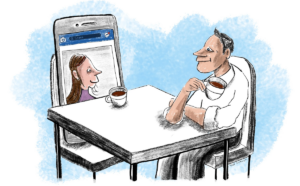
Social media has intensified this dramatically. Likes, messages, delayed replies, posting behavior, and online visibility all influence modern romantic power dynamics.
Sometimes people are not fighting for love. They’re fighting for psychological reassurance.
And there’s a difference.
Healthy Power Dynamics vs Toxic Control
Healthy sexual power dynamics are built on:

- Mutual consent
- Emotional safety
- Respect
- Communication
- Trust
- Reciprocity
Toxic dynamics are built on:
- Fear
- Manipulation
- Emotional dependency
- Control
- Jealousy
- Psychological games
The difference matters.
A healthy dynamic allows both people to feel empowered. A toxic one slowly erodes one person’s emotional freedom.
Real intimacy should feel liberating, not imprisoning.
Note to Self: Attraction Is Psychological Before It Is Physical
Power dynamics are deeply woven into sexual and romantic relationships because attraction itself is psychological. Desire is influenced not only by appearance, but by confidence, emotional tension, vulnerability, validation, and perceived control.
The most powerful people in relationships are not always the loudest, coldest, or most dominant. Often, true relational power comes from emotional intelligence, self-awareness, and the ability to create trust without losing individuality.
Attraction may begin with chemistry, but lasting intimacy depends on balance.
Because in the end, the healthiest relationships are not about one person having power over the other.
They’re about learning how to share it.
FAQs