


Disclaimer
This post may contain affiliate links. I will make a small commission if you make a purchase through one of these links, at no extra cost to you. See full disclosure and disclaimer policy HERE.
What Even Is a Situationship?
Let’s not pretend we don’t know the vibe.
You’re texting every day. You’ve met their friends. Maybe you’ve even shared a toothbrush once or twice (questionable, but intimate). And yet—when someone asks, “So… what are you guys?”—you freeze like a buffering Netflix screen.
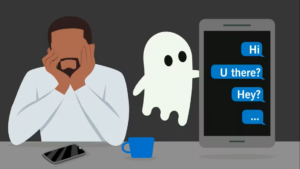
Welcome to the situationship. Not quite a relationship, not quite casual, but somehow emotionally loaded enough to keep you awake at 2 a.m. overanalysing a “seen” message.
A situationship is essentially emotional Schrödinger’s cat: both something and nothing at the same time. And while that ambiguity can feel exciting at first—like standing on the edge of a cliff—it often turns into something else entirely: confusion, anxiety, and a slow erosion of clarity.
The Allure of Ambiguity
Let’s be honest—situationships don’t start as disasters.
They often begin with chemistry. Effortless conversation. That “we just get each other” feeling. And without labels, there’s a sense of freedom. No pressure. No expectations. No awkward “what are we?” talk looming over your head.
It’s like eating dessert before dinner—fun, indulgent, and slightly rebellious.
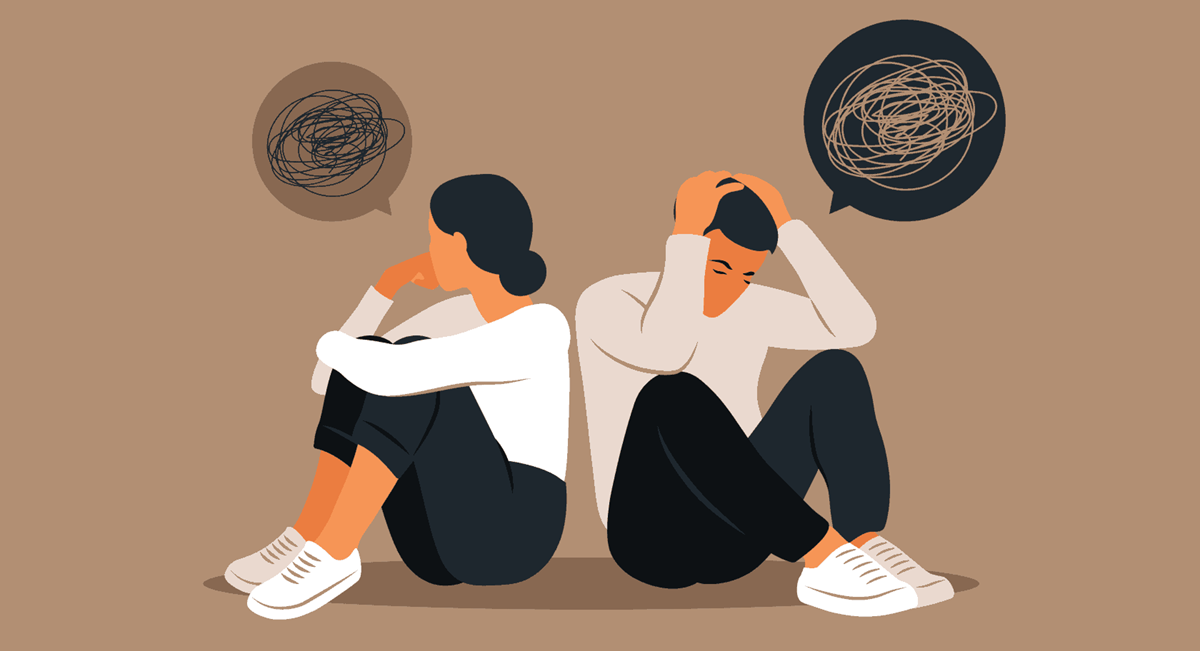
But here’s the catch: humans aren’t wired for prolonged emotional ambiguity. We crave certainty. We want to know where we stand. And when that clarity is missing, the brain tries to fill in the blanks… usually with worst-case scenarios.
Suddenly, you’re decoding response times like a cryptographer. Was that heart emoji friendly or romantic? Why did they stop texting after 10 p.m.? Are they seeing someone else?
Ambiguity may feel freeing at first, but over time, it becomes mental clutter.
Why Situationships Are So Common Now
This isn’t happening in a vacuum.
Modern dating culture has shifted dramatically. Apps have gamified connection. Social media has made everyone feel simultaneously available and replaceable. And commitment? It often feels like a risk people aren’t willing to take.
Situationships thrive in this environment because they offer a loophole: intimacy without accountability.
You get companionship, attention, and sometimes even exclusivity—without having to define anything. It’s like renting emotional connection instead of buying it.
But here’s the uncomfortable truth: when nobody defines the relationship, the person with the lower standards for clarity usually sets the tone.
The Slow Death of Clarity
Clarity doesn’t disappear overnight. It fades—quietly, subtly.
At first, you tell yourself, “We’re just going with the flow.”
Then it becomes, “I don’t want to ruin this by asking questions.”
Eventually, it turns into, “I guess this is just what it is.”
And just like that, clarity is gone.
The problem isn’t just the lack of labels—it’s the lack of aligned expectations. One person might see a future; the other sees convenience. One is investing emotionally; the other is keeping options open.
Without clarity, there’s no shared reality. You’re both reading different scripts in the same scene.
Emotional Consequences: The Hidden Cost
Situationships can feel low-stakes, but emotionally? They’re anything but.
You might find yourself:
- Overthinking every interaction
- Feeling anxious when communication dips
- Hesitating to express your needs
- Downplaying your own feelings to “keep it chill”
It’s like walking on emotional eggshells—constantly adjusting yourself to avoid scaring the other person away.
And here’s the kicker: because there’s no official relationship, there’s often no official breakup either. Things just… fade. No closure. No explanation. Just a quiet exit that leaves you replaying everything in your head.
Why We Stay (Even When It Hurts)
If situationships are so frustrating, why do we stay?
Because hope is a powerful drug.
We tell ourselves stories:
- “Maybe they just need more time.”
- “They act like my partner, so they must care.”
- “If I don’t push, it’ll naturally evolve.”
But hope without evidence is just wishful thinking dressed up as patience.
Another reason? Fear. Fear of losing the connection entirely. Fear of being “too much.” Fear of starting over in a dating landscape that already feels exhausting.
So we settle for ambiguity because it feels safer than potential rejection.
The Power of Asking “What Are We?”
Let’s address the elephant in the room.
That question—“What are we?”—has been unfairly villainised. It’s often seen as needy, pressuring, or premature.
But in reality? It’s just a request for clarity.
And clarity is not too much to ask for.
Think of it this way: you wouldn’t start a job without knowing your role, salary, or expectations. So why accept that level of uncertainty in something as emotionally significant as a romantic connection?
Asking for clarity isn’t about forcing commitment—it’s about aligning reality with your needs.
How to Navigate Situationships Without Losing Yourself
If you find yourself in one, don’t panic. But don’t go on autopilot either.
Start by checking in with yourself:
- What do you actually want?
- Are your needs being met?
- Are you feeling secure or constantly questioning things?
Then—brace yourself—communicate.
Not in a dramatic, ultimatum-heavy way. Just honestly. Calmly. Directly.
Something like: “I really enjoy what we have, but I’d like to understand where this is going.”
Their response will tell you everything you need to know.
And if it doesn’t align with what you want? That’s your answer too.
Clarity Is Kindness (Even When It’s Uncomfortable)
Here’s a perspective shift: clarity isn’t just about protecting yourself—it’s also about respecting the other person.
When things are undefined, both people are operating on assumptions. And assumptions are fragile. They break easily.
Clarity, on the other hand, is solid. It might not always give you the answer you want, but it gives you the answer you need.
And that? That’s power.
Note to Self: Choose Clarity Over Comfort
Situationships are the emotional equivalent of junk food—easy, addictive, and ultimately unsatisfying.
They promise connection without pressure, but often deliver confusion without closure.
So here’s the question you need to ask yourself: Are you okay living in the gray?
Because while ambiguity can feel comfortable in the short term, clarity is what builds real, lasting connection.
And at the end of the day, you deserve more than “almost.”
You deserve something defined, mutual, and clear.
FAQs